The End of the Black Box? The Rise of App Based Telematics
For many years the concept of telematics, insurance that prices premiums based on how a vehicle is actually driven was synonymous with a physical black…


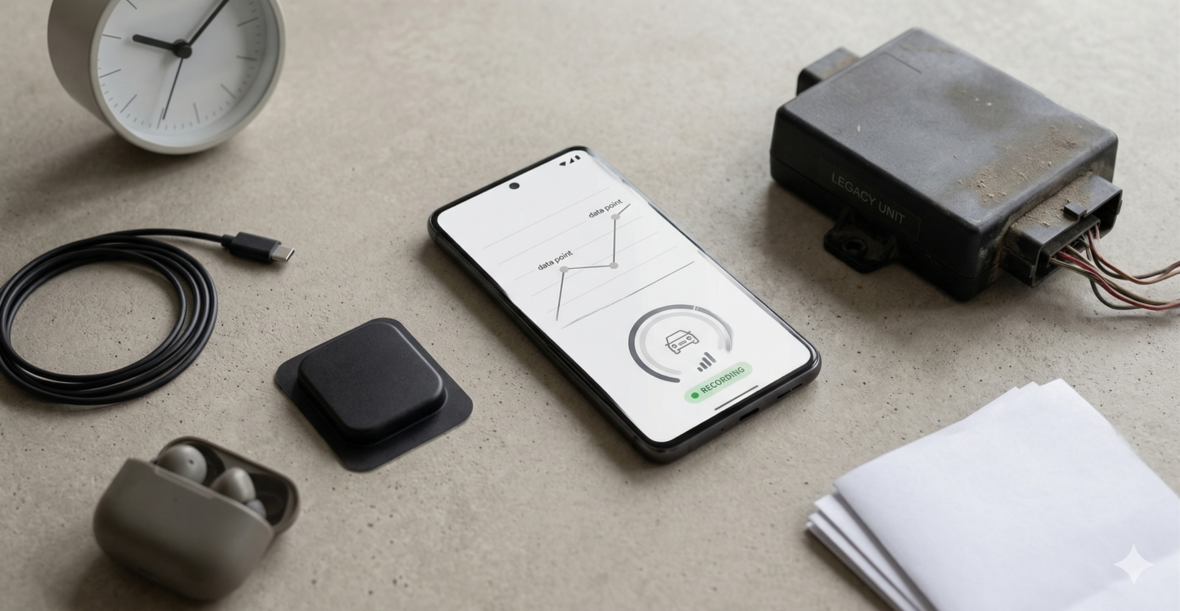
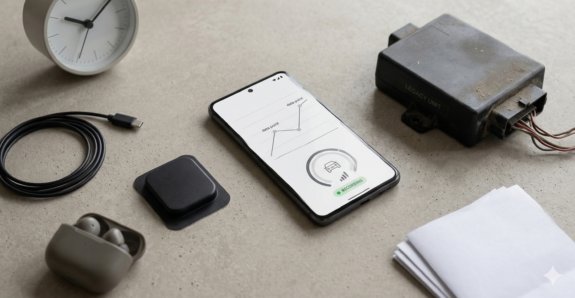
For many years the concept of telematics, insurance that prices premiums based on how a vehicle is actually driven was synonymous with a physical black box. This small device required a professional installation behind the dashboard, essentially hardwiring the car into an insurance provider’s data network. However, as vehicle technology and smartphone capabilities have advanced into 2026, the industry is seeing a transition toward app-based systems and plug-and-play hardware.
The original goal of telematics remains unchanged: to move away from general demographic assumptions and toward individual behaviour. Traditionally, younger drivers or those with limited experience were grouped into high risk categories based on age alone. Telematics changed this by allowing drivers to demonstrate their individual safety standards.
The shift toward app-based telematics removes the logistical hurdle of the physical box. Most modern drivers already carry a device equipped with high-precision GPS, accelerometers, and gyroscopes, the smartphone. By using a dedicated app, insurance providers can gather the same data on braking, cornering and speed without the need for a mechanic to dismantle a car’s interior.
While the smartphone app is the most common modern iteration, it is not the only option. Some providers now offer small, self-adhesive tags that stick to the windshield and sync via Bluetooth to a phone. Others tap directly into the connected-car data already being generated by the vehicle manufacturer.
Each system has its own set of characteristics:
The decision to use telematics is often a balance between data sharing and potential premium adjustments. For some, the idea of having their driving monitored is a trade off they are happy to make if it results in a lower annual cost. For others, the preference for privacy means they would rather opt for a traditional policy, even if it lacks the potential for behaviour based discounts.
It is also important to note that telematics is no longer exclusively for the youngest drivers. Many providers now offer these policies to low-mileage drivers of all ages or to those who only drive during daylight hours. As the technology becomes less intrusive, it is being integrated into a wider variety of insurance products.
While telematics provides a significant data point for insurers, it is rarely the only factor involved in a quote. Basic elements like the vehicle’s insurance group, the annual mileage and where the car is parked overnight still play a major role.
Furthermore, different insurers interpret telematics data in various ways. One company might place a higher value on smooth braking, while another might prioritise a lack of late night driving. Because these internal “scoring” systems are not standardised across the industry the results might vary between providers.
As the market for app-based insurance grows, the range of available products has expanded. This variety means that a driver who didn’t fit the criteria for a black box policy a few years ago might find that a modern app-based version is a viable option for their current lifestyle.
By using a comparison service, motorists can see where telematics policies sit alongside traditional options. This allows for a clear view of the potential savings and a chance to read the specific terms regarding how data is used. In a market where technology is constantly shifting, a fresh search is the most effective way to see which type of policy, telematics or traditional, aligns with a driver’s specific needs.
More Articles
For many years the concept of telematics, insurance that prices premiums based on how a vehicle is actually driven was synonymous with a physical black…
In the world of household finances, bundling is often sold as the ultimate shortcut to savings. From broadband and TV packages to energy bills, the…
There was a time, not so long ago, when a "fender bender" was exactly that, a minor inconvenience involving a bit of dented metal and…
About This Page
Our articles, guides & reviews are provided as generic information only. Any expressed view, product or service mentioned within these does not constitute as financial advice or recommendation by us.
Be mindful that information may have changed since publication
Compare Personalised Insurance Quotes In Minutes
Compare Now